

1976
These restaurants belong to earlier chapters of Francis Mallmann’s journey. They were places of fire and risk, of long nights and shared tables, some hidden in remote landscapes, others alive in the heart of cities, where a way of cooking and living slowly revealed itself. Though the doors have closed, their presence lingers. Together, they remain the quiet roots from which everything that followed has grown.
2026
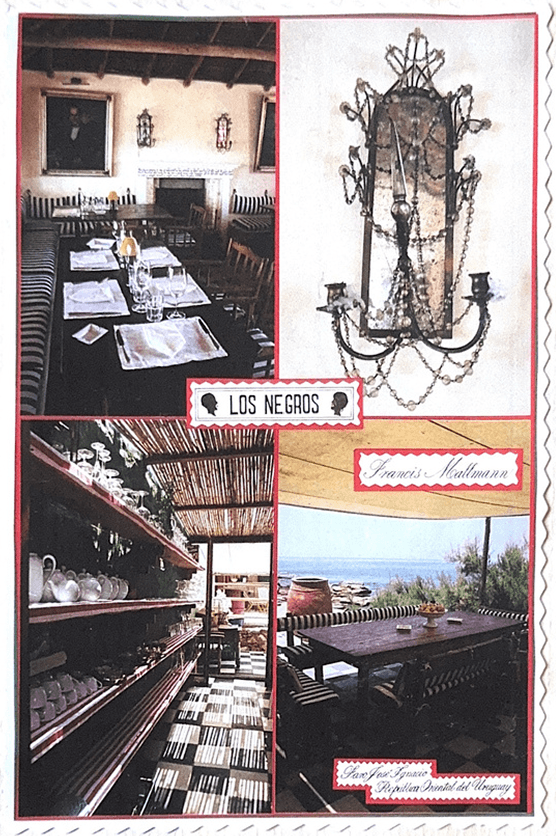
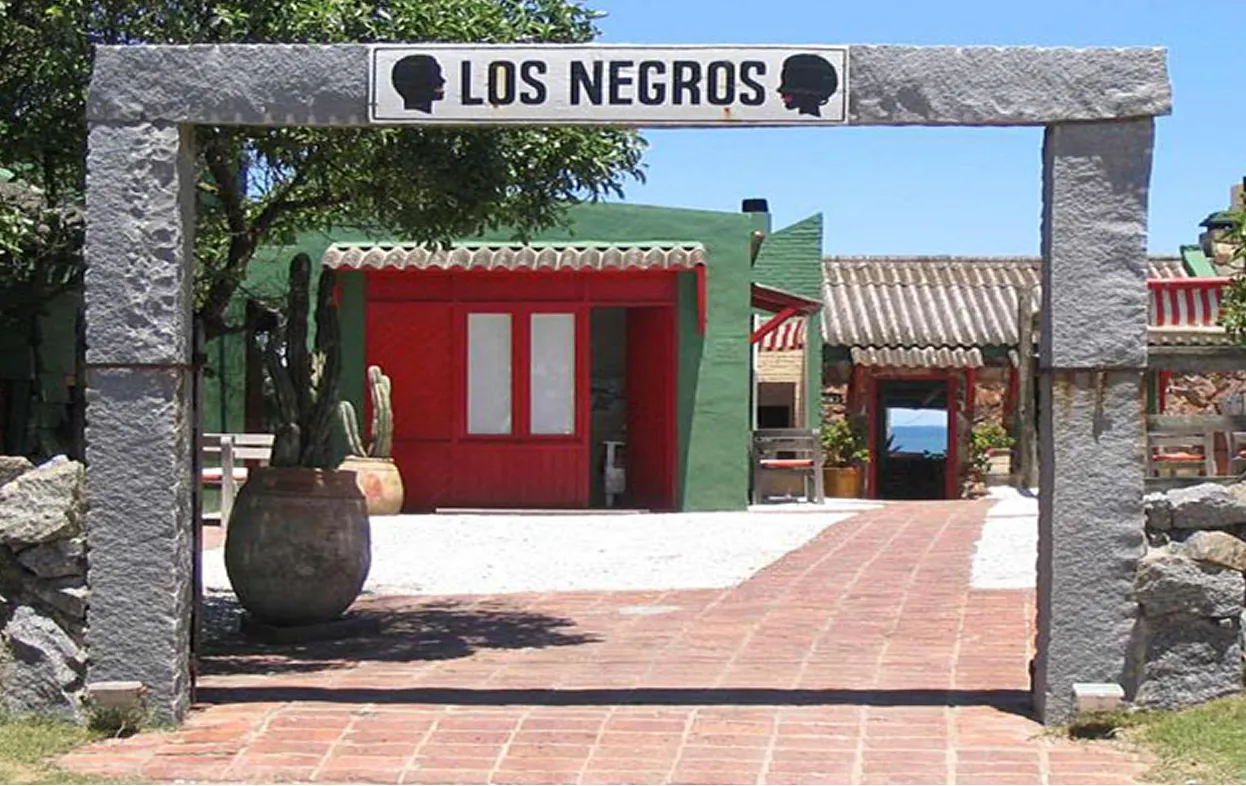
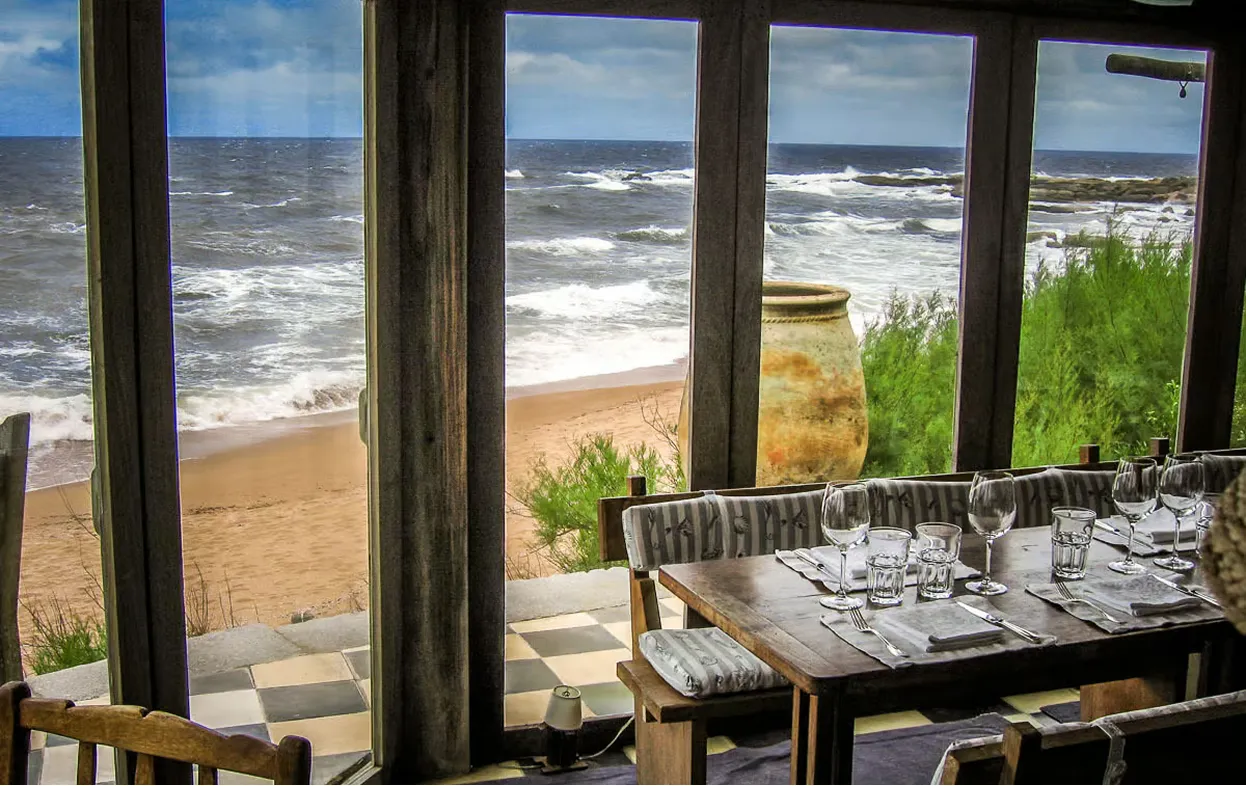
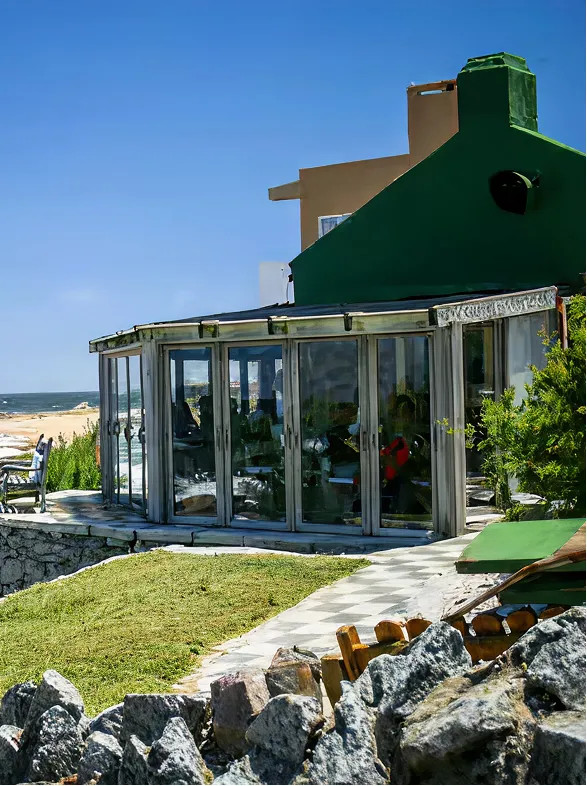
Los Negros
José Ignacio, Uruguay
1992 – 2006
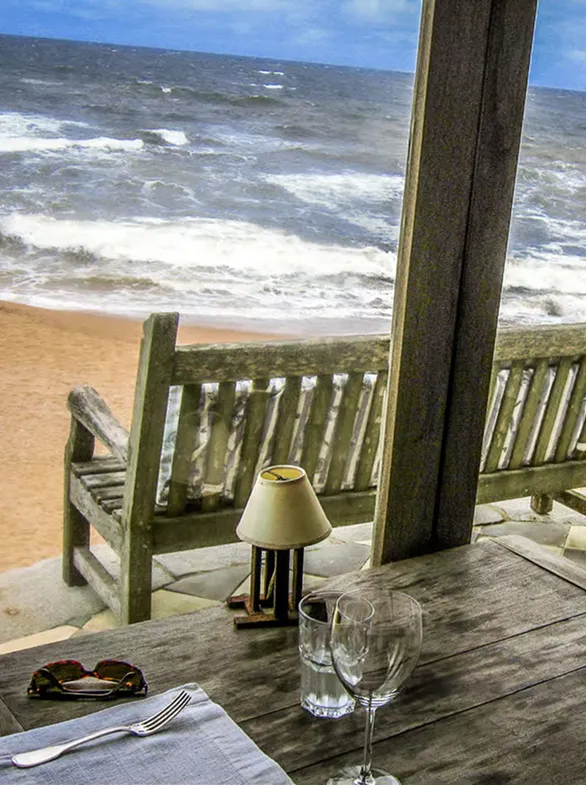
A beachfront restaurant built around fire, grilled fish, and the easy rhythm of summer. Los Negros became known for its unpretentious warmth—tables in the sand, smoky aromas drifting toward the ocean, and nights that carried on with conversation and music. It was a celebration of coastal life as it once was in José Ignacio: rustic, joyful, and free.
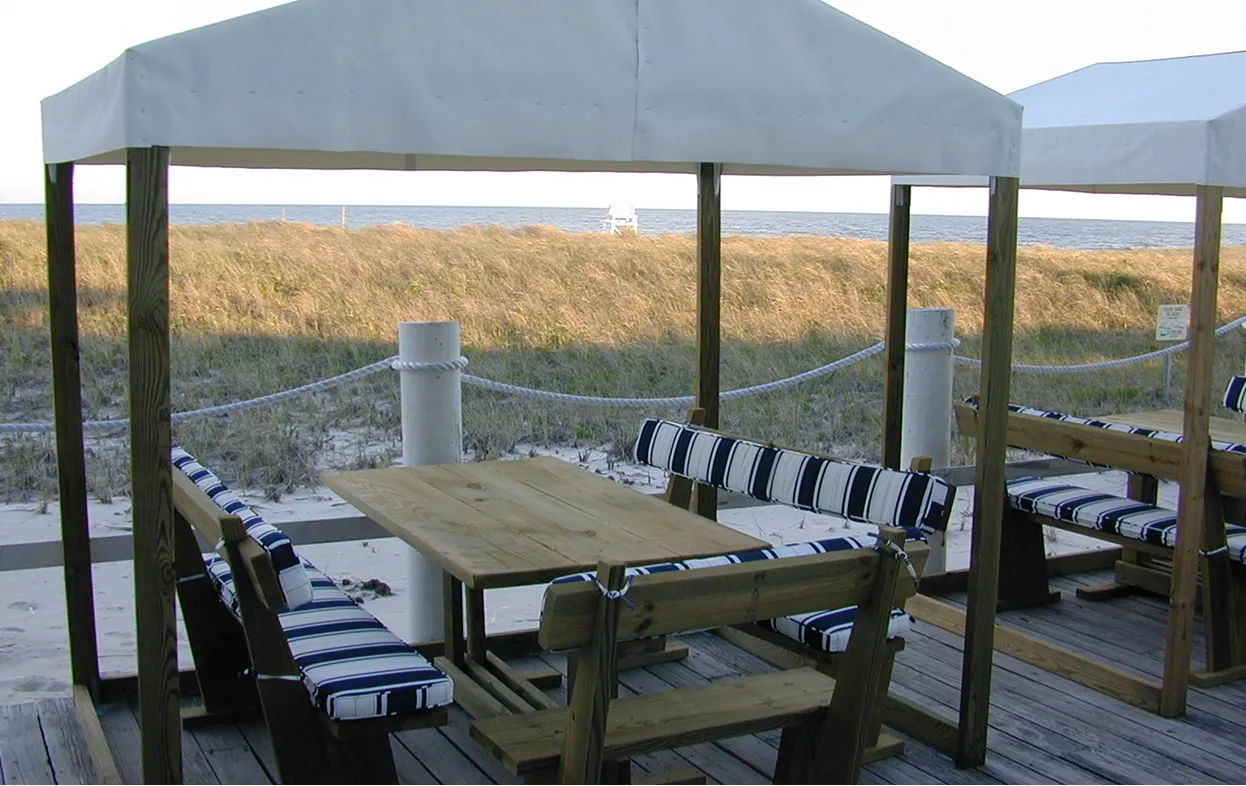
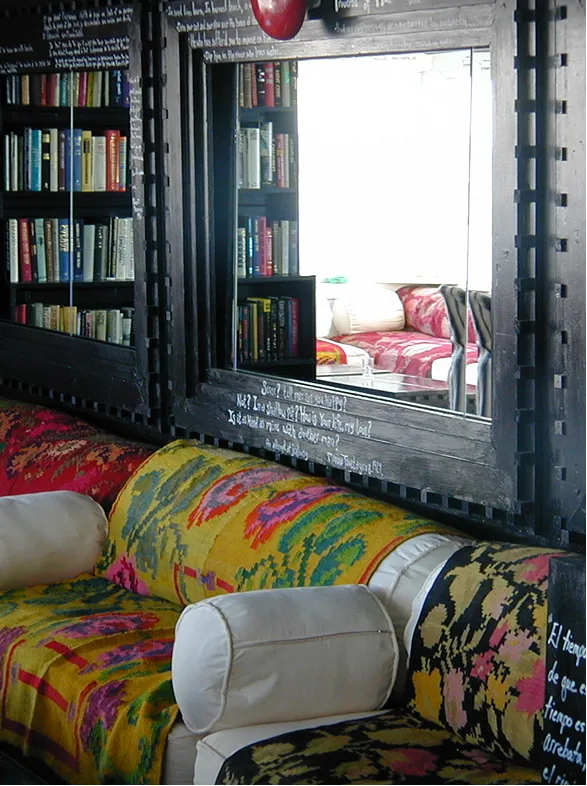
Patagonia West
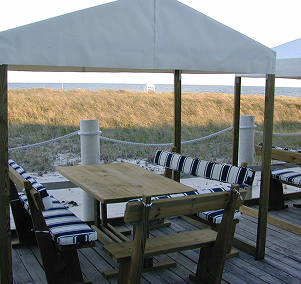
East Hampton, NY, USA
2002 - 2006
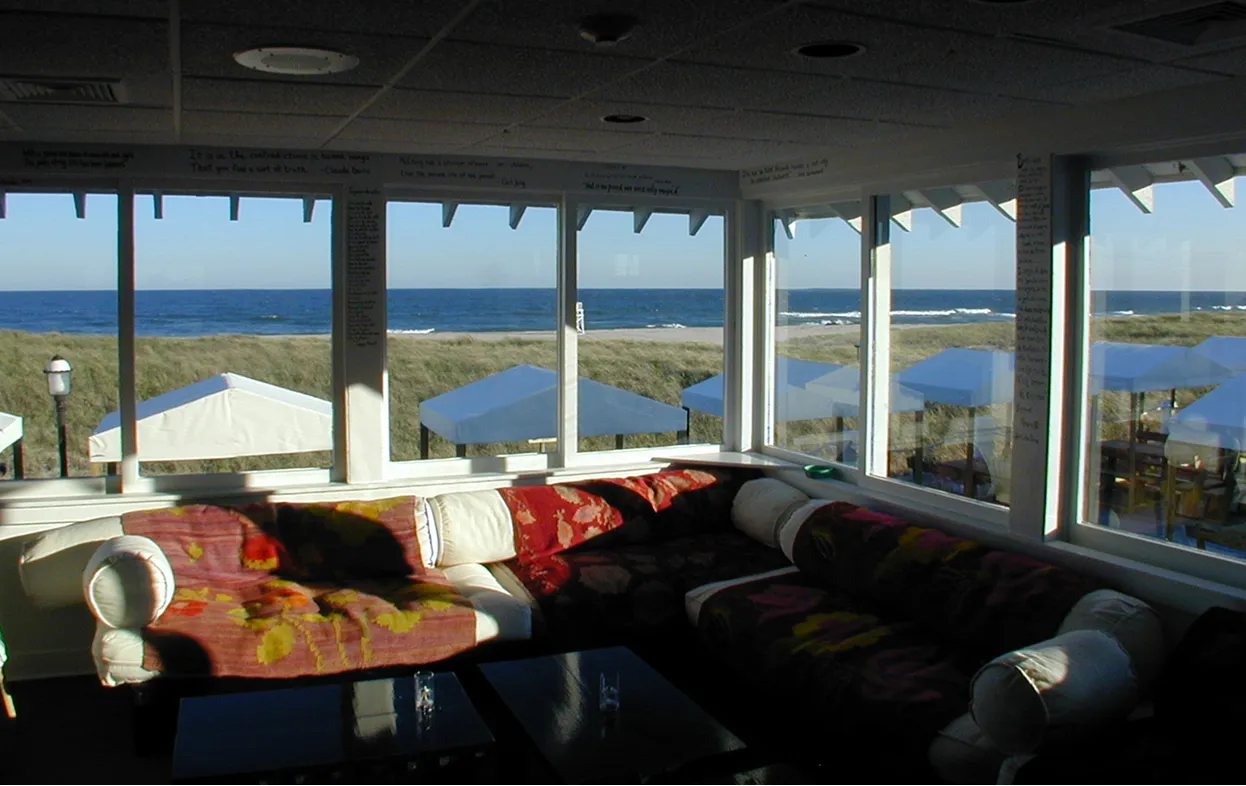
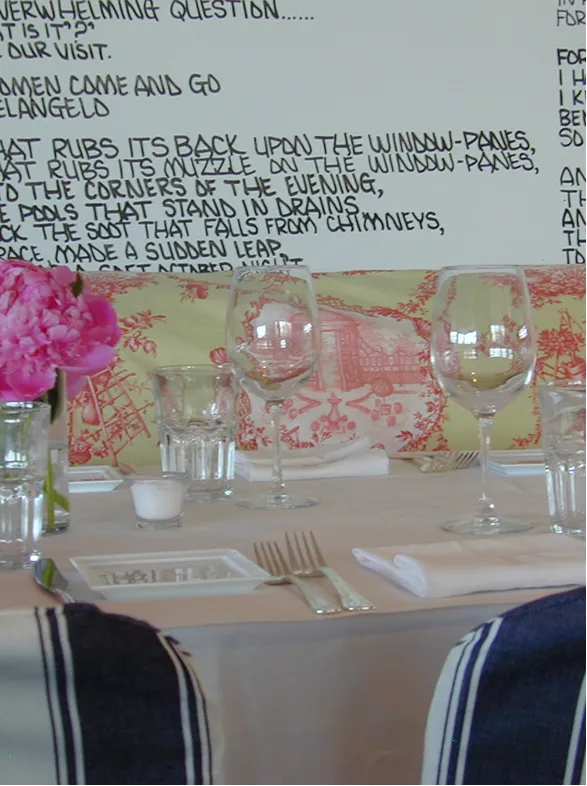
A summer restaurant in the Hamptons that carried the essence of Patagonia to the northern hemisphere. Patagonia West blended rustic fire cooking with the relaxed atmosphere of East Coast summers, offering American guests a first encounter with Francis’s elemental style. It was a bridge between two worlds, shaped by fire, hospitality, and the simplicity of open-air dining.
Nahuel Malal
San Carlos de Bariloche, Argentina
1976 - 1978
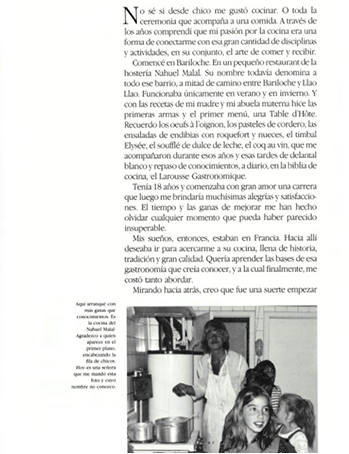
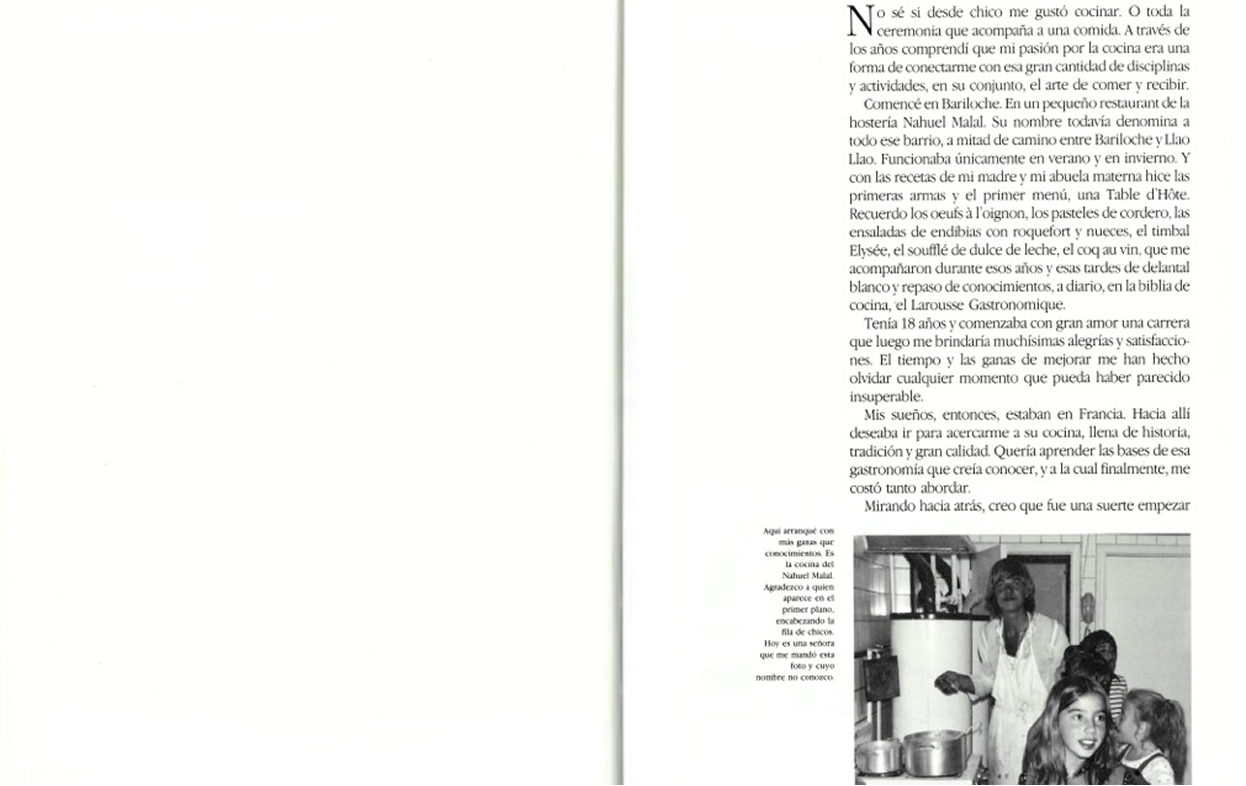
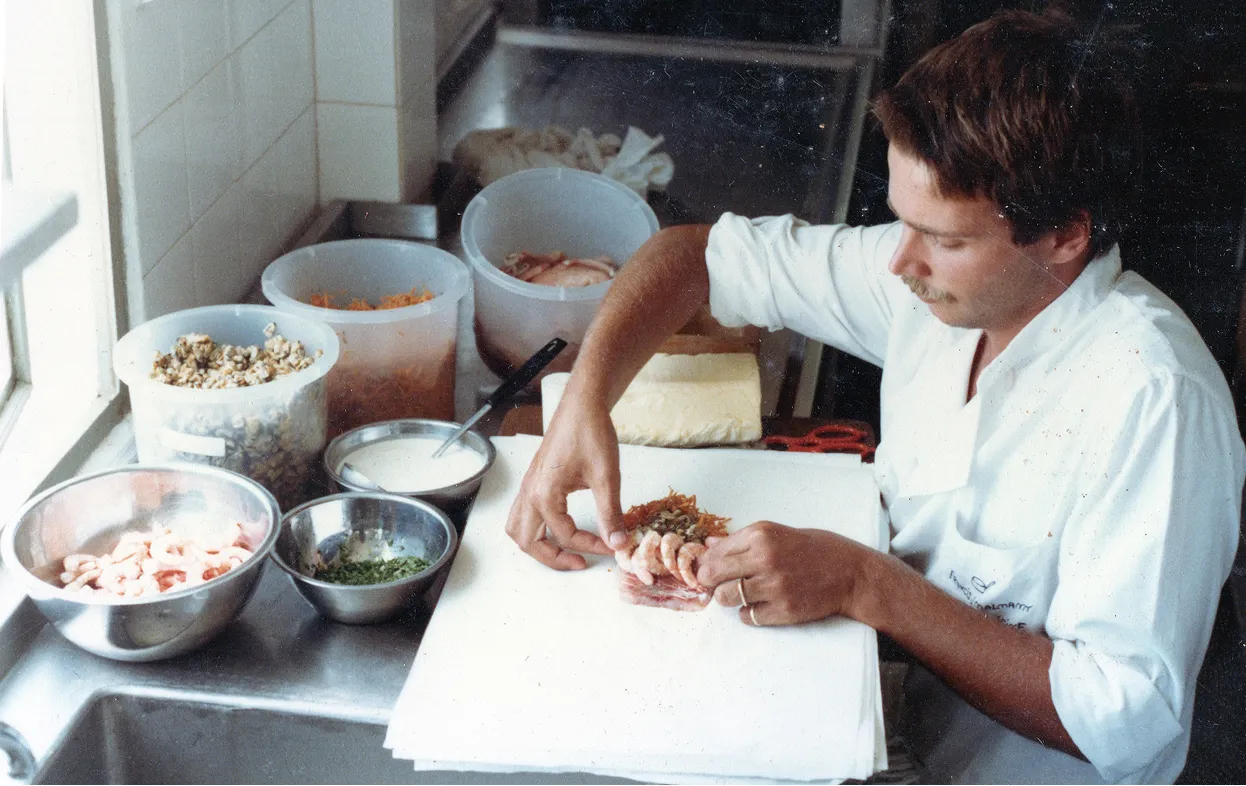
Francis’s first restaurant, set beside the vast silence of a Patagonian lake. Here he began shaping his voice as a cook—experimenting with fire, local woods, and the rugged ingredients of the South. Nahuel Malal was small, remote, and formative: the place where the foundations of his elemental cooking were born.
Posada del Mar
Jose Ignacio, Uruguay
1978 - 1996
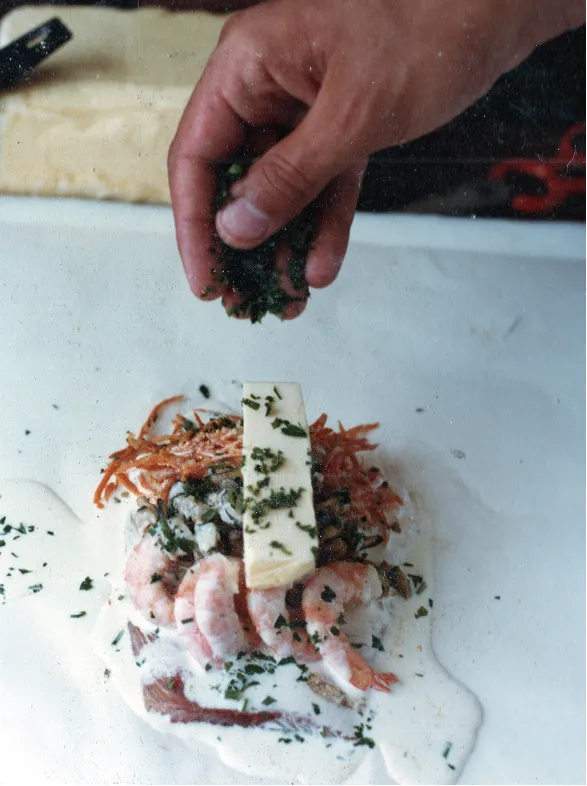
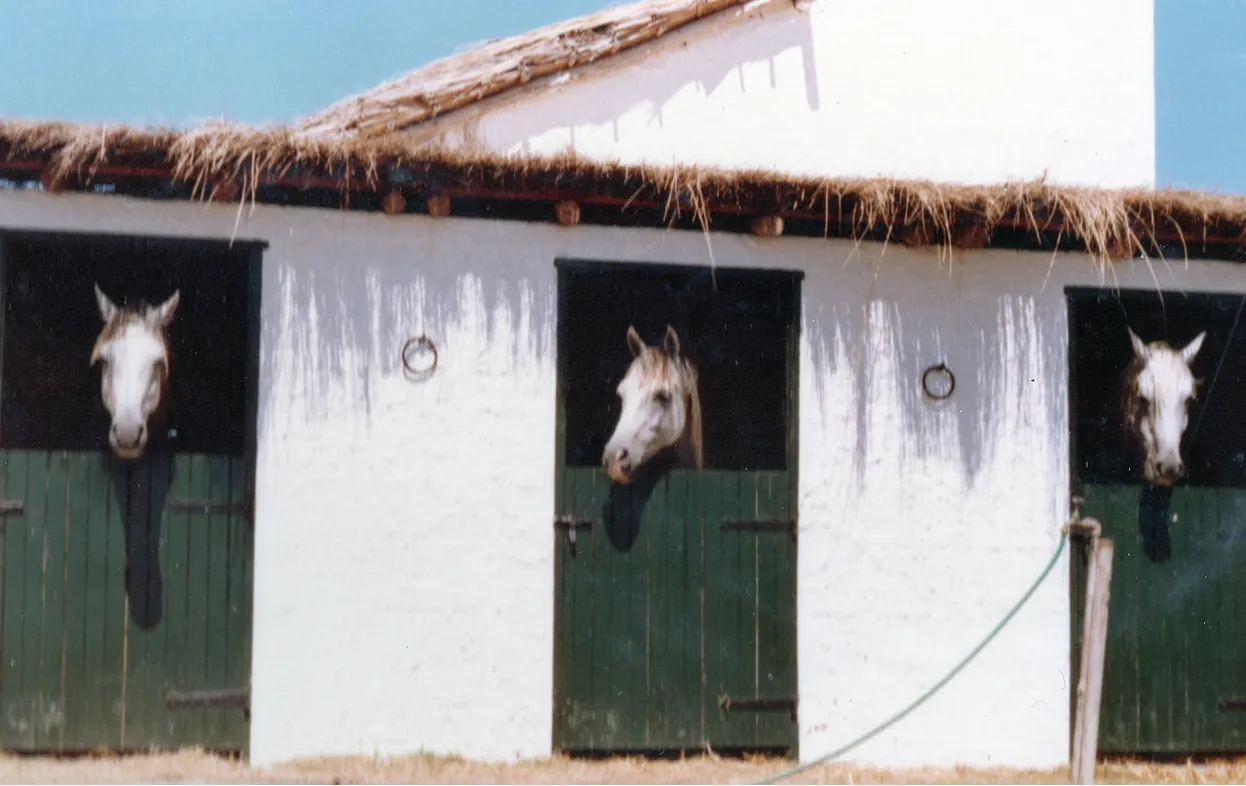
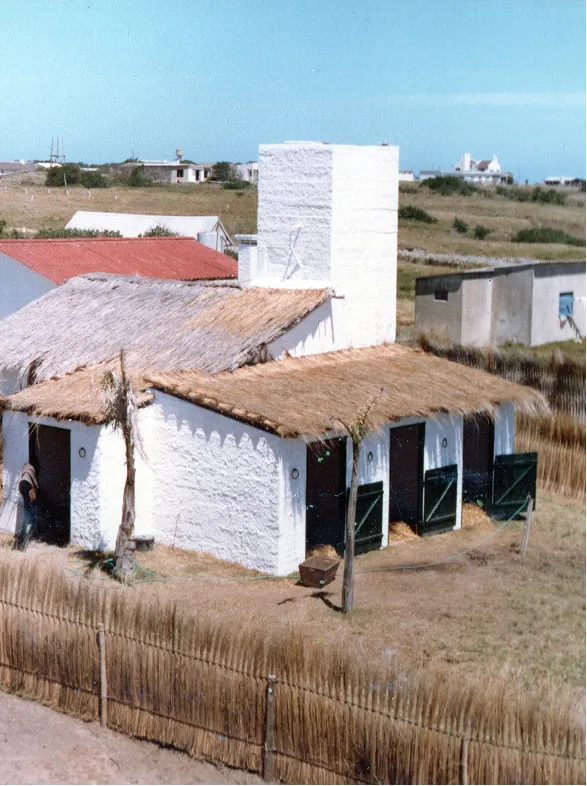
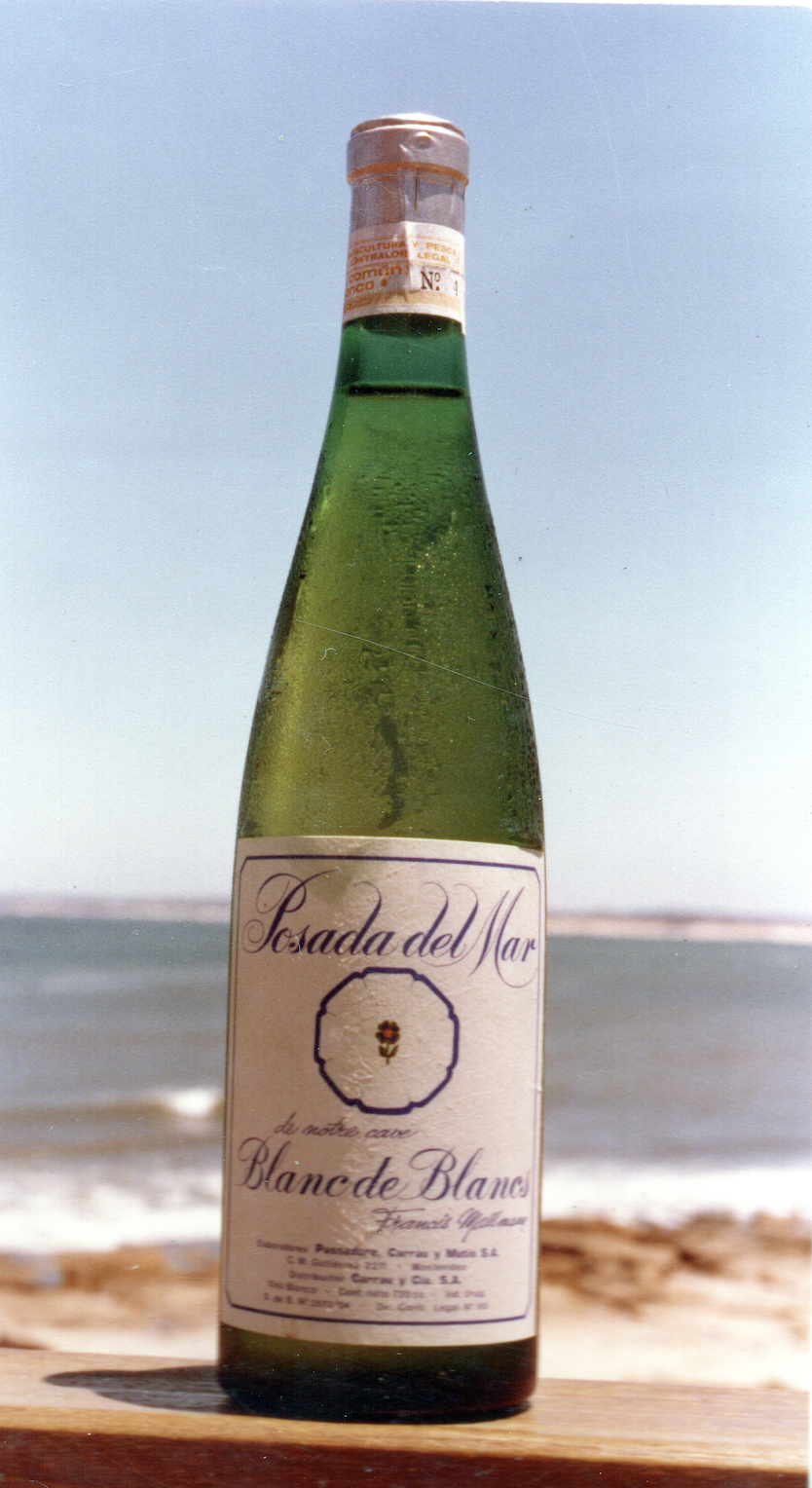
In the early years of José Ignacio, long before it became a destination, Posada del Faro was a modest seaside refuge where Francis cooked simple, honest food for travelers and locals. The restaurant captured the quiet charm of the village—slow days, fresh fish, bare feet, and meals shaped by the sea and the wind.
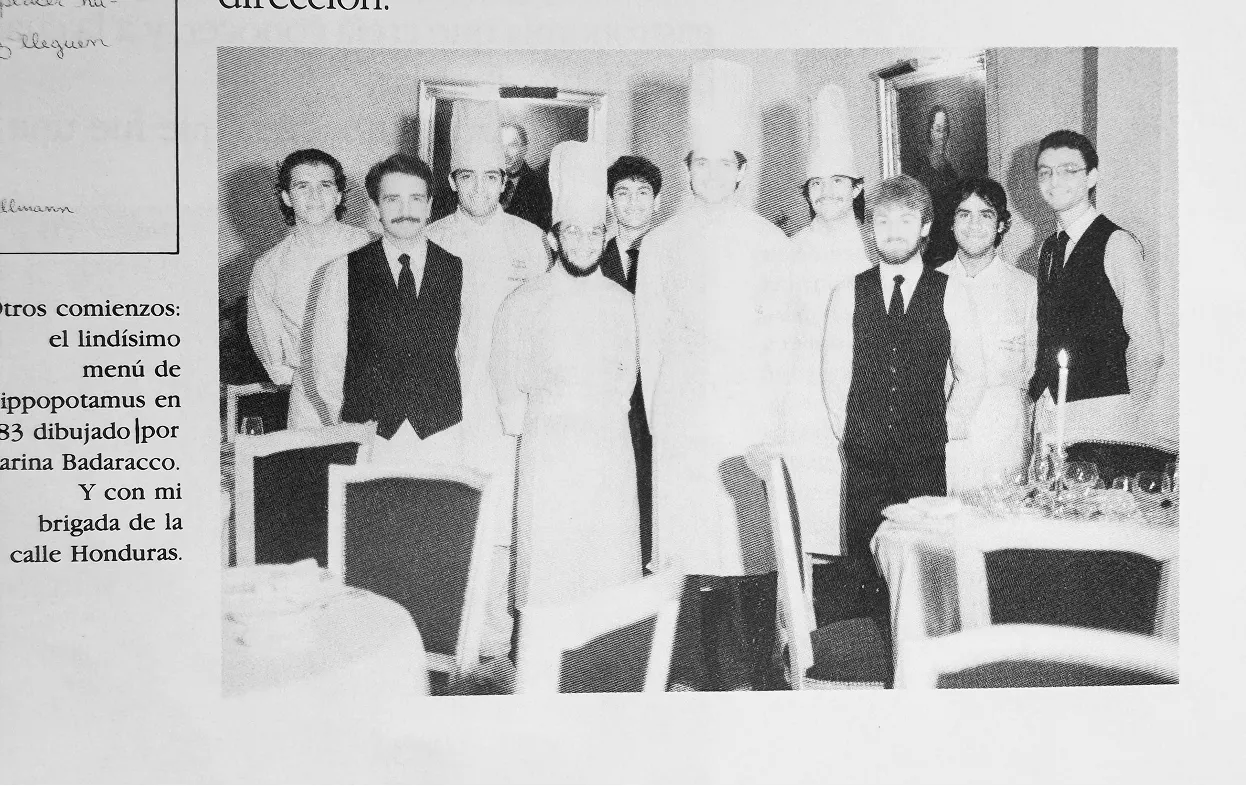
Honduras
Buenos Aires, Argentina
1983 - 1986
Located in the vibrant streets of Palermo, Honduras was a restaurant where Francis blended the spontaneity of the neighborhood with his growing fascination for fire and rustic elegance. It became a lively gathering place—casual, warm, and unpretentious—where simple dishes carried the depth of his emerging style. Honduras marked a moment of experimentation in the city, a place where ideas were tested, friendships formed, and the foundations of his later work quietly took shape.
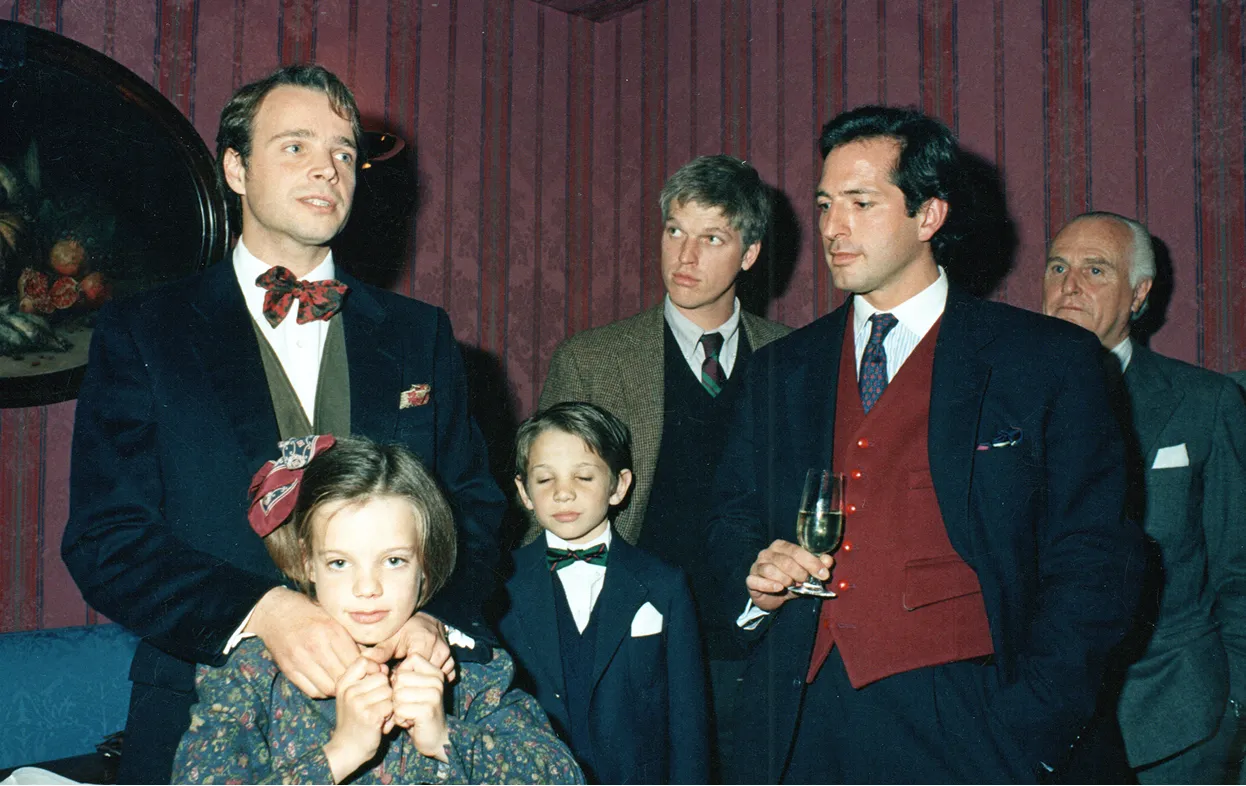
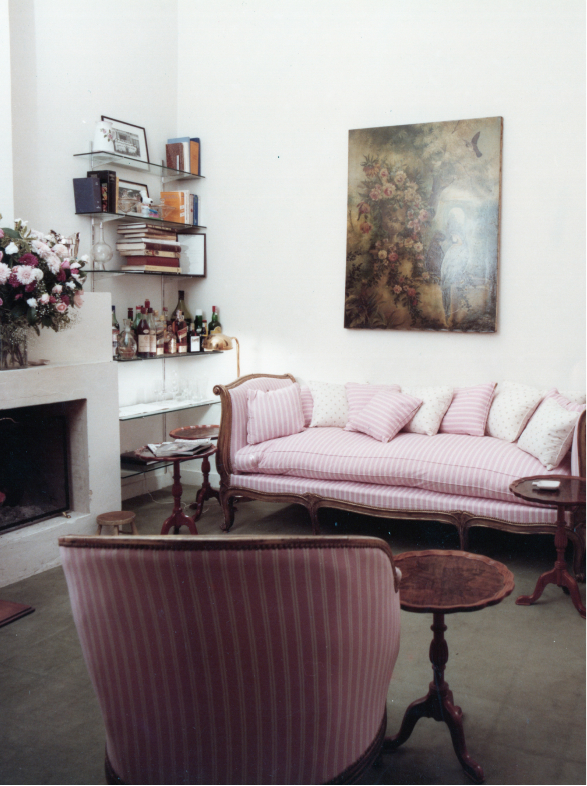
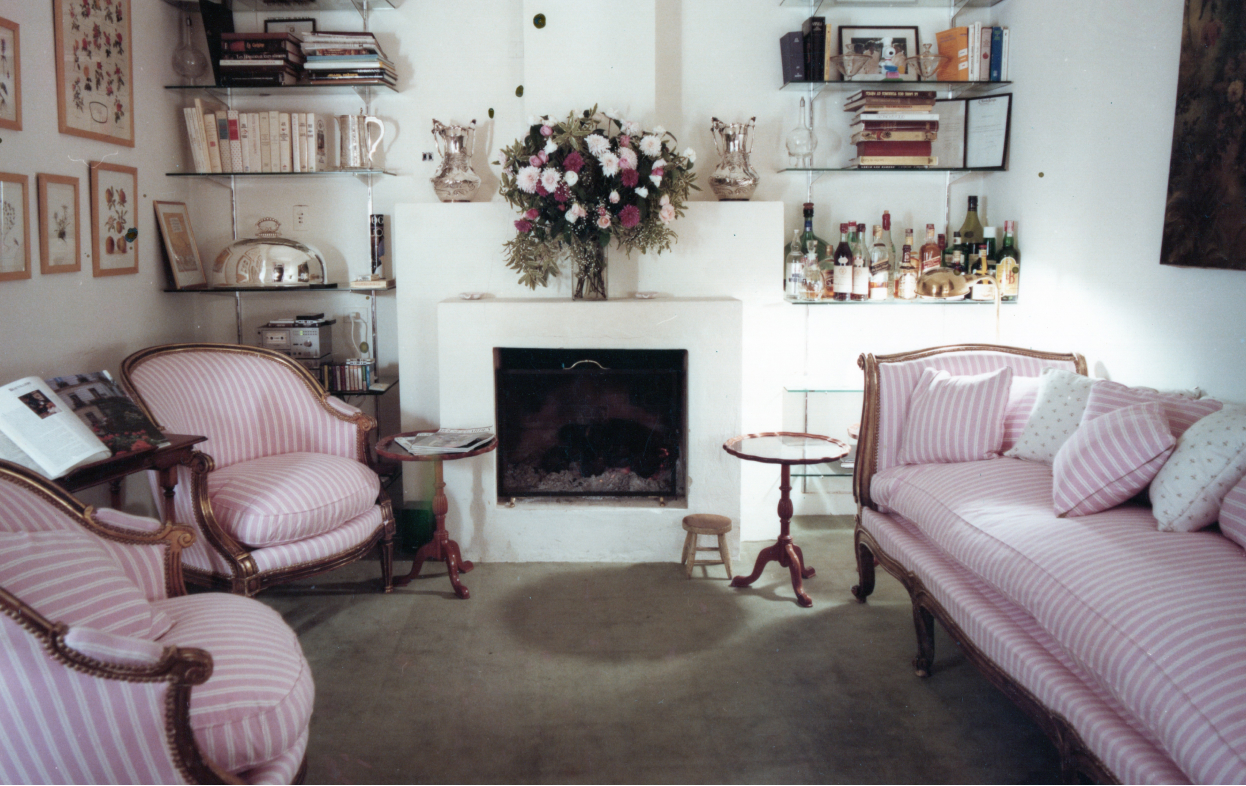
Patagonia
Buenos Aires, Argentina
1989 - 1996
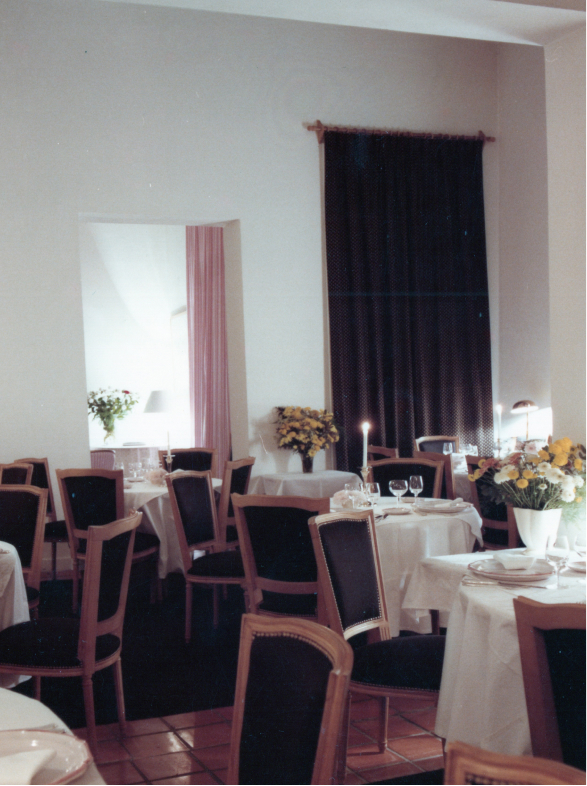
In Buenos Aires during the 1990s, Patagonia introduced the city to the flavors and spirit of the South. Francis brought fire, smoke, and Patagonian ingredients into an urban setting, creating a restaurant that felt both wild and refined. It marked an important moment in his evolution—bringing the solitude of the natural world into the heart of the capital.