


• 1956 1956
  • 1959 1959–1962
  • 1962 1962–1973
  • 1973 1973–1974
  • 1974 1974–1979
  • 1979 1979–1982
  • 1980s 1982–Early 1990s
  • 1985 1985-1990s
  • 1990s 1995
  • 1995 Late 1990s
  • 1999 1999–2006
  • 2000s 2000s
  • 2010  2010s–Today

Francis Mallmann is an Argentine chef, author, and restaurateur. Over the course of his career, he has developed a distinctive approach to cooking that connects culinary craft with culture, place, and time.

He leads more than sixteen restaurants across several countries, from Patagonia to France, and has published seven books translated into multiple languages. His work has been featured in major international publications and television programs, including an episode of Netflix’s Chef’s Table.

Beyond restaurants, his projects extend to hospitality, design, and education, often centered around the landscapes of southern Argentina. Together, they form a body of work that reflects his ongoing exploration of how we eat, gather, and live.

Born in Buenos Aires

Francis Mallmann is born in Buenos Aires into a family shaped by movement and mixed origins. His father carries German roots and works as a mathematical physicist, while his mother, born in Uruguay, brings a strong cultural sensibility to the household. Early memories center around his grandfather’s house in Acassuso overlooking the Río de la Plata—large gardens, long family lunches, and an atmosphere of strong personalities. Before cooking, there was already a sense of landscape, family ritual, and character.

Early Years Abroad

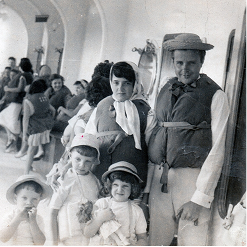
When Francis is still very young, the family moves to Naperville, Illinois. His childhood memories are filled with cornfields, squirrels, and the quiet rhythm of suburban North America. Already restless and rebellious, he recalls his parents struggling to keep him from constantly running away. When the family returns to Argentina by ship, the three-week journey across the ocean becomes an early formative experience of travel and transition.

Growing Up in Bariloche

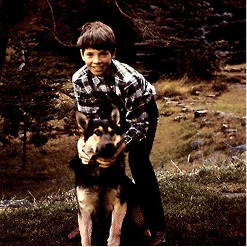
Francis’ father is appointed director of the Atomic Center in Bariloche, bringing the family to Patagonia. The environment is one of mountains, rivers, scientists, students, and long winters. Psychedelic music drifts through campus, and copies of Time Magazine arrive months late, carrying news of revolutions and cultural change abroad. Around this time his grandfather gifts the family a house in Llao Llao overlooking Lago Moreno. Surrounded by fruit trees, gardens, and vast silence, Patagonia begins shaping Francis’ relationship to landscape.

Leaving Home

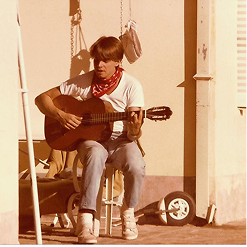
By his early teens Francis is already living disruptively—long hair, high-heeled boots, and a growing love for rock and roll music. At thirteen years old, growing tensions at home lead him to take the decision to leave home and begin working as a DJ in Bariloche. Soon after, drawn by the music and counterculture he had been following from afar, he travels to California. With little more than a guitar, a small bag, and a few hundred dollars, he arrives in San Francisco searching for freedom and the music he’d been loving for years.

First Restaurant

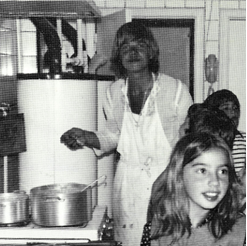
Returning to Argentina, Francis opens his first restaurant almost by accident in Bariloche at Nahuel Malal. When his business partner unexpectedly leaves, he finds himself alone in the kitchen. With no formal training, he invents daily prix-fixe menus out of necessity. He skis in the mornings, takes reservations on the slopes, shops for ingredients once the dining room fills, and cooks until late at night. The experience is chaotic and spontaneous—but it marks the beginning of his life in food.

France

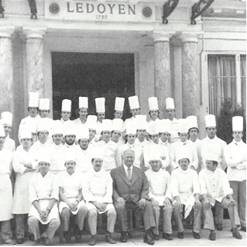
Determined to refine his craft, Francis travels to France. After persistent letters and knocking on many restaurant doors, he secures internships in some of the country’s most respected three-star kitchens. There he encounters a world defined by discipline—hierarchy, repetition, precise technique, and deep respect for craft. These years provide the technical and qualitative foundation that will later allow him to break away from tradition.

Early Restaurants & A Personal Direction

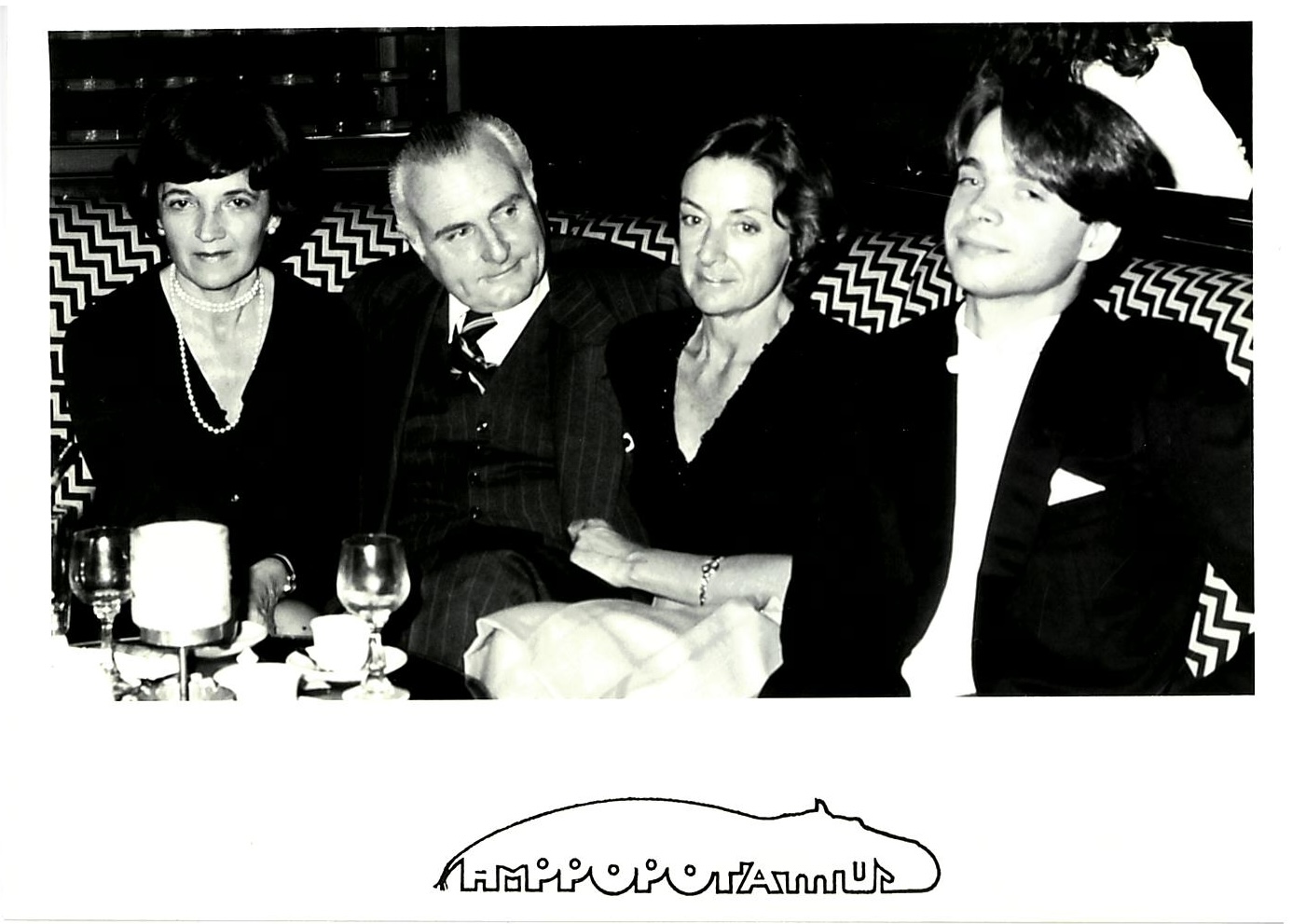
Returning to Buenos Aires, Francis begins building a career in his own country, bringing French technique into his own restaurants, such as Hipopótamo. The work is successful and refined, yet something feels incomplete. Teaching cooking classes in a small garden setting and later opening Honduras marks a shift toward a more personal approach. The restaurant becomes an icon of its time, with no sign outside and a distinct atmosphere. Around this time, Francis begins turning his attention toward Argentine ingredients and ways of cooking, quietly moving away from imitation and toward something of his own.

Patagonia, José Ignacio & Garzón

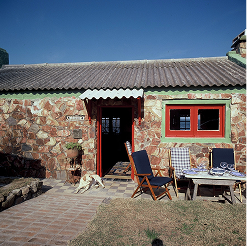
Three places begin to anchor Francis’ life during these years. In Patagonia, he and his brother return repeatedly to a remote lake near the Andes, where they slowly build a small cabin by hand—what begins as an expedition becomes a lifelong refuge. In Uruguay, the coast of José Ignacio becomes another home, where he acquires a small house near the lighthouse called Los Negros, evolving into both a family gathering place and a celebrated restaurant. Not far from there, he discovers the quiet village of Garzón, which over time grows into one of his deepest and most enduring projects—a place shaped patiently through relationships and time. Between the mountains, the sea, and the countryside these places define not only where he lives, but how he lives.

The Grand Prix

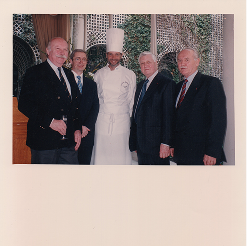
In 1995 Francis wins the prestigious Grand Prix de l’Art de la Cuisine in Europe, presenting a menu centered on potatoes in their raw and essential form. Francis earns one of Europe’s highest culinary honors and the recognition is significant, but it brings with it a deeper realization: he has mastered European technique, yet has not found his own voice. This moment becomes decisive. He begins turning deliberately toward the fires of his childhood and the outdoors.

Fire Becomes Language

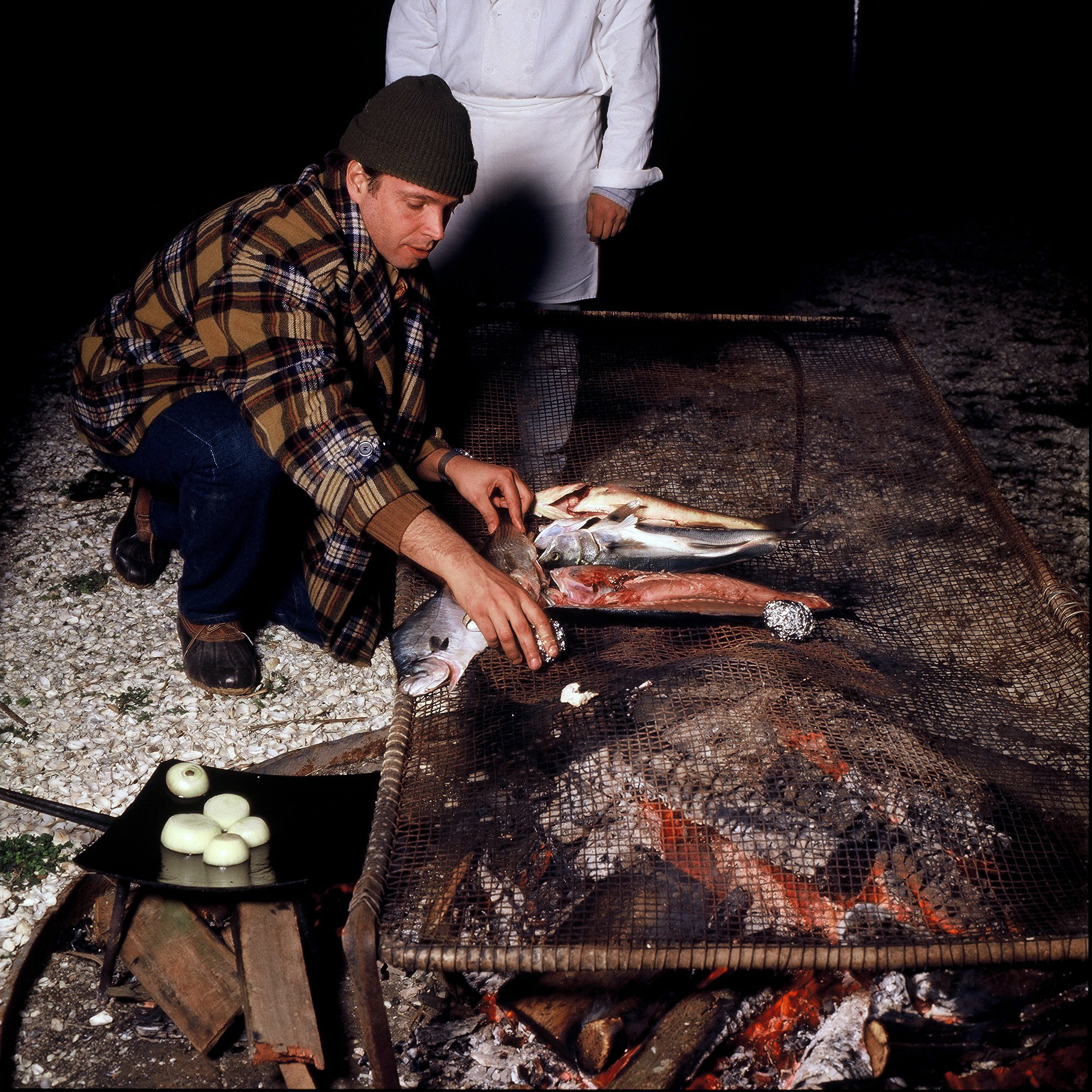
Following this turning point, Francis begins to reshape his cooking around fire. Two of his most important restaurants, Patagonia Sur in Buenos Aires and 1884 in Mendoza, start to unveil his new approach. Cooking moves outdoors, becomes more instinctive and connected to his childhood roots. Fire is no longer a technique but rather the foundation of a language is distinctly his own for years to come.

Living Between Worlds

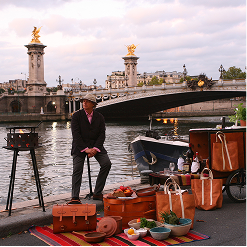
At the turn of the millennium, amid a deep economic crisis in Argentina, Francis begins a new period of movement. He opens a restaurant in São Paulo centered around fire and later moves with his family to the Hamptons, where he develops another restaurant by the sea. At the same time, he remains closely tied to Argentina and Uruguay—returning seasonally and cooking for presidential state dinners and international gatherings. This period is defined by movement between continents, balancing expansion with a strong connection to his origins.

Expanding the Voice

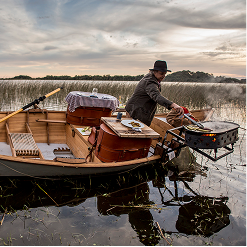
Over these years, Francis’ way of cooking begins to reach beyond the restaurant. Television becomes a natural extension of his work, particularly when he shifts to cooking entirely outdoors, bringing his philosophy into the landscape itself. His books, beginning with Seven Fires in 2009, carry his ideas even further. Later projects, including his presence on Netflix’s Chef’s Table, introduce his work to a broader audience. Rather than a single moment, this is a gradual amplification of a voice already formed.

Expanding the Voice

Over these next couple of years, Francis’ way of cooking begins to reach beyond the restaurant. Television becomes a natural extension of his work, particularly when he shifts to cooking entirely outdoors, bringing his philosophy into the landscape itself. His books, beginning with Seven Fires in 2009—his first to gain wide international recognition—carry his ideas even further. Later projects, including global media such as his presence on Netflix’s Chef’s Table, introduce his work to a broader audience. Rather than a single moment, this is a gradual amplification of a voice already formed.